


The world’s attention will turn Friday to Islamabad, Pakistan, which will host the first public direct talks between the United States and Iran in many years.
These talks are described as difficult and crucial due to the tense atmosphere, but according to observers, they represent a historic opportunity that could change the entire map of the Middle East, or could return the region to a spiral of tensions and conflicts if they fail.
Delegations are expected to arrive in Islamabad Friday before negotiators formally sit down at the negotiating table Saturday, amid reports confirming that the 30-member US negotiating team has already arrived in Islamabad to review security arrangements.
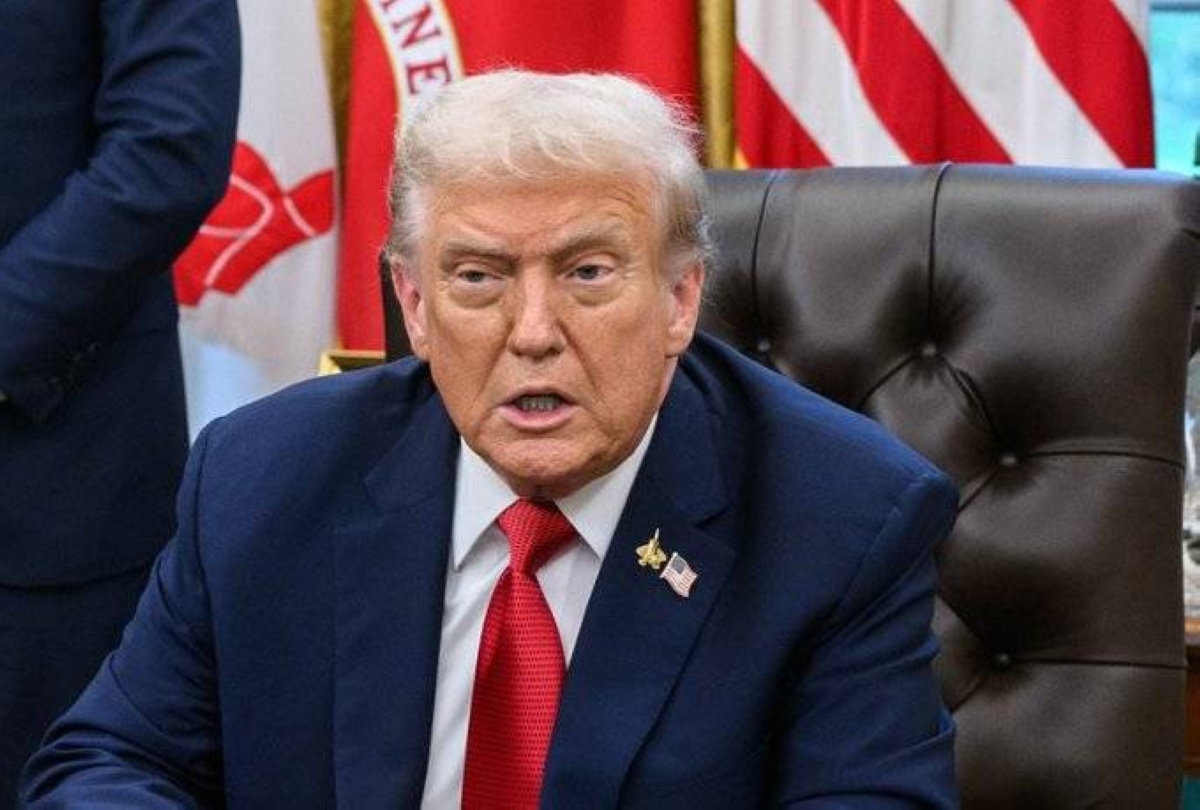
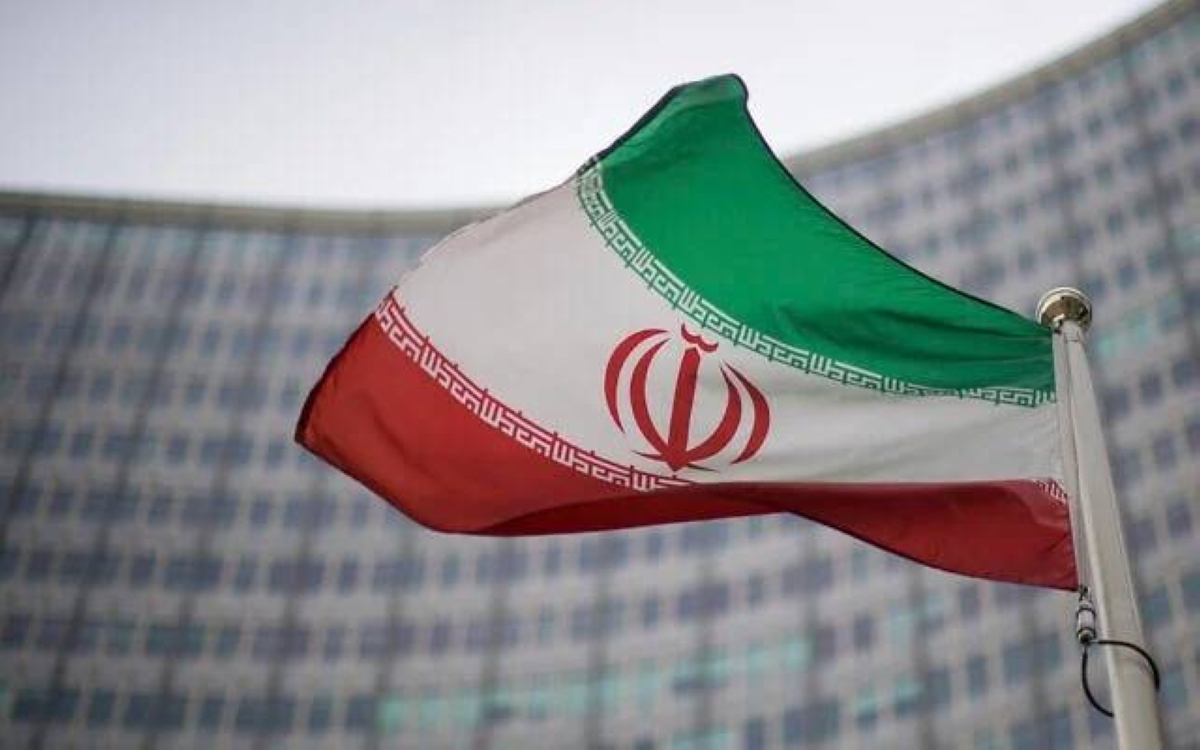
The White House stated that Vice President J.D. Vance would lead the American delegation in these negotiations, along with envoys Steve Wittkopf and Jared Kushner, while Tehran announced that its Foreign Minister Abbas Araghchi and Parliament Speaker Bagher Ghalibaf would lead the discussions in Islamabad, in the presence of mediators and several other figures.
These negotiations come in the wake of a two-week ceasefire agreement between Washington and Tehran, brokered by Pakistan, which was announced early Wednesday. The truce, which averted imminent US strikes on Iran, was based on a ten-point Iranian proposal that Washington accepted as a general framework for talks.
This round of negotiations will also take place in the wake of an unprecedented military escalation between the two sides, marked by mutual threats and attacks that have directly affected the security of the region and global shipping traffic.
Despite the announcement of a temporary truce, events on the ground quickly deviated from the diplomatic messages. Within hours, the agreement was severely undermined, as Israeli warplanes launched what was described as the largest wave of airstrikes on Beirut, the Bekaa Valley, and southern Lebanon since the start of the conflict, targeting nearly 100 sites within minutes, resulting in the death and injury of hundreds of unarmed civilians. Hezbollah responded by targeting the Manara settlement in northern Israel with missiles, while Tehran threatened to retaliate against the Israeli attacks, signaling the collapse of the truce. Tehran declared that the issue of reopening the Strait of Hormuz would depend on full compliance with the ceasefire, including in Lebanon.
Pakistan has condemned in the strongest terms the ongoing Israeli aggression against Lebanon, stressing that Israeli actions undermine international efforts to establish peace and stability in the region and constitute a flagrant violation of international law and basic humanitarian principles. Pakistan urged the international community to take urgent and concrete steps to end the Israeli aggression against Lebanon.
While the White House confirmed that the ceasefire was limited to direct hostilities between the United States and Iran, and that Lebanon was not included, Iranian officials rejected this interpretation, stressing that a partial ceasefire was unacceptable, and Tehran threatened that it would withdraw from the ceasefire agreement if Israeli attacks on Lebanon continued.
Iran had previously rejected a 15-point US list of demands, stating that it imposed broad restrictions on its nuclear program, missile capabilities, and regional alliances. Instead, it presented a 10-point counter-proposal emphasizing its sovereignty and calling for a broad de-escalation.
The Iranian proposal also called for recognition of its right to uranium enrichment, the removal of primary and secondary US sanctions, the termination of UN resolutions, compensation for war damages, and a cessation of hostilities in all fronts, including Lebanon.
On Wednesday, Qatar welcomed the ceasefire announcement between the United States and Iran, considering it an initial step towards de-escalation and stressing the urgent need to build upon it to prevent the spread of tension in the region.
The Ministry of Foreign Affairs expressed, in a statement, Qatar’s appreciation for the efforts of Pakistan, particularly those of Prime Minister Shahbaz Sharif and Chief of Army Staff, Field Marshal Asim Munir as well as all parties involved in mediation and good offices that contributed to achieving a ceasefire. The ministry emphasised the importance of full adherence to the ceasefire declaration to ensure the consolidation of the truce and create the conditions for dialogue.
The ministry also stressed the necessity for Iran to immediately cease all hostile acts and practices that undermine regional stability and respect for the sovereignty of states, thereby preventing the recurrence of such violations. Furthermore, the Ministry emphasised the importance of guaranteeing the security of maritime routes and the freedom of navigation and international trade in accordance with international law, which contributes to maintaining regional stability and global supply chains.
Despite the diplomatic momentum surrounding the Islamabad negotiations, observers warn that these talks face significant obstacles, as fundamental disagreements persist between the two sides. They consider this a historic opportunity to defuse a crisis that threatened to destabilise the Middle East and the global economy. They believe that the wide gap between Tehran’s demands, as outlined in its ten-point plan, and Washington’s strategic objectives makes reaching a final and comprehensive agreement within the two-week timeframe an extremely difficult task.
They also noted that the success of this round of negotiations will depend heavily on the Pakistani mediator’s ability to bridge the gaps and on both sides’ willingness to make potentially difficult concessions to avoid sliding into a full-blown military confrontation.
Pakistan declared an official holiday to facilitate the US-Iranian talks, and imposed strict security measures in the capital, Islamabad, deploying hundreds of police and paramilitary forces to secure the city before the two sides sit down at the negotiating table, awaiting results that could reshape the landscape in the Middle East and the world as a whole, whether towards complete detente or further complications.
These are fears that observers and analysts can hardly deny, describing the Friday and Saturday round as a “decisive round” due to its profound and sensitive impact on the geopolitical and security situation in the region, and on the global economy, which is severely affected by the energy supply crisis caused by Iran’s halting of navigation in the Strait of Hormuz.
Related Story


Discover more from Truth Inspire Your Day
Subscribe to get the latest posts sent to your email.


